Iceland
My first visit to Iceland has been on my bucket list for a long time. It wasn’t a photography trip or a holiday in the traditional sense, more of a scouting trip for future visits and a chance to get a feel for the place and to see if it matched the images and stories I’ve seen over the years.
Reykjavík is the capital and largest city of Iceland. It is located on the southern shore of the Faxaflói bay in southwest Iceland and has a latitude of 64°08′ N, making it the world's northernmost capital of a sovereign state. I stayed in Reykjavík as its a great base to discover south western Iceland, great for hotels, bars, museums and shopping.
The Sword Bridge, also known as the Kolgrafafjörður Bridge, is a striking structure located on the Snæfellsnes Peninsula in Iceland, symbolizing the country's Viking heritage with spectacular views of the mountains.
Búðakirkja, the iconic black church of Búðir, is a historic wooden church set against Iceland’s dramatic Snæfellsnes Peninsula landscapes set in fields of ancient lava.
Kirkjufell, known as "Church Mountain," is a stunning 1520ft tall peak on Iceland's Snæfellsnes Peninsula, famous for its unique shape and breath taking scenery, top of my list for visiting would have liked to see the waterfall running but with it being frozen gives it a unique view.
Skógafoss is one of the biggest waterfalls in Iceland, with a drop of some 197ft and a width of 82ft. You can walk right up to it, but be prepared to be drenched.
Gullfoss Waterfall is one of Iceland’s most powerful natural wonders and a central stop along the Golden Circle route. Known as the “Golden Falls” it drops in two dramatic tiers into the rugged canyon of the Hvita River, when I visited the wind and cold was truly brutal.
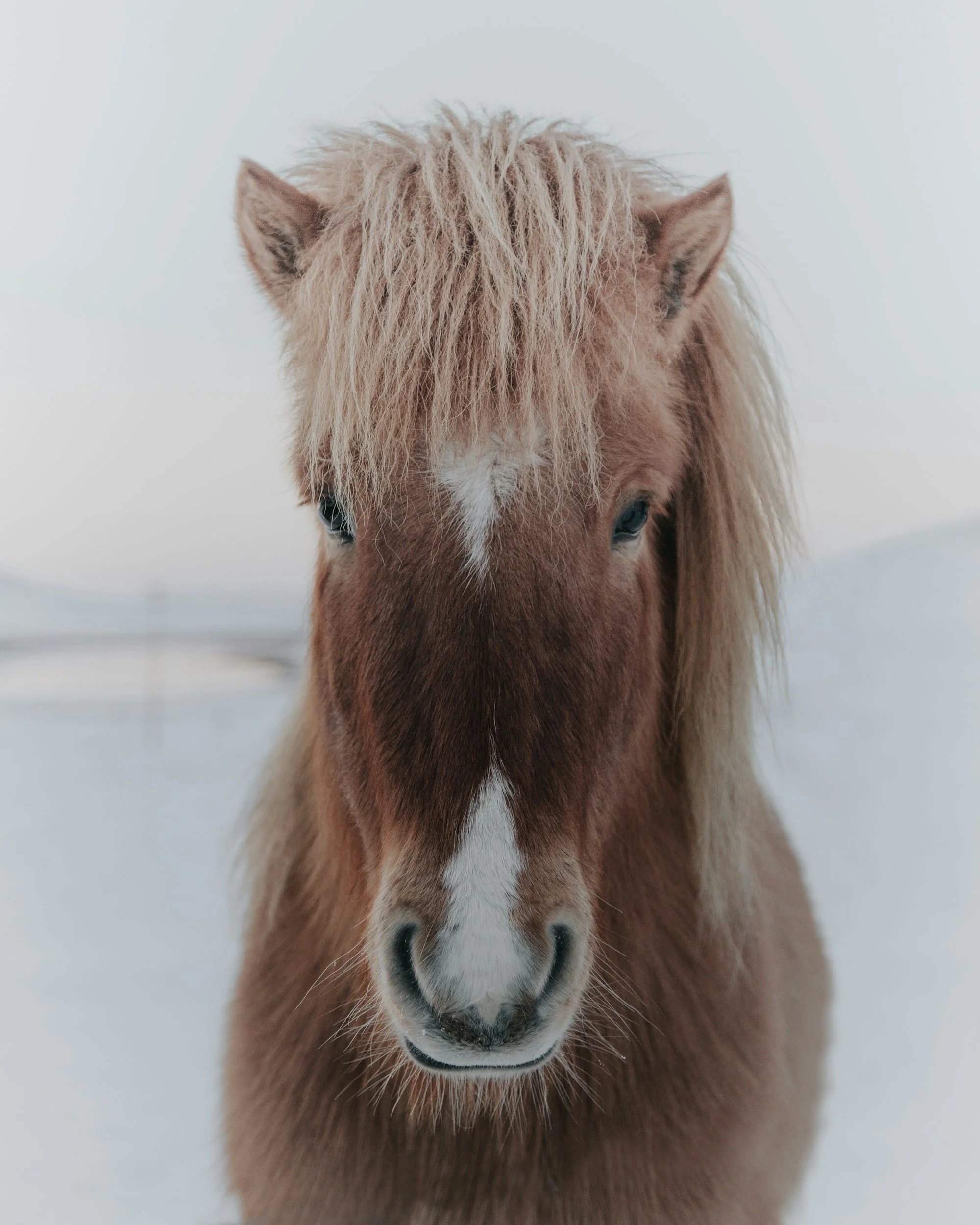
Icelandic Horse, aka “Horse of the Vikings” found in groups all over the Island are a unique breed developed in Iceland by the Vikings, one of the purest horse breeds in the world.
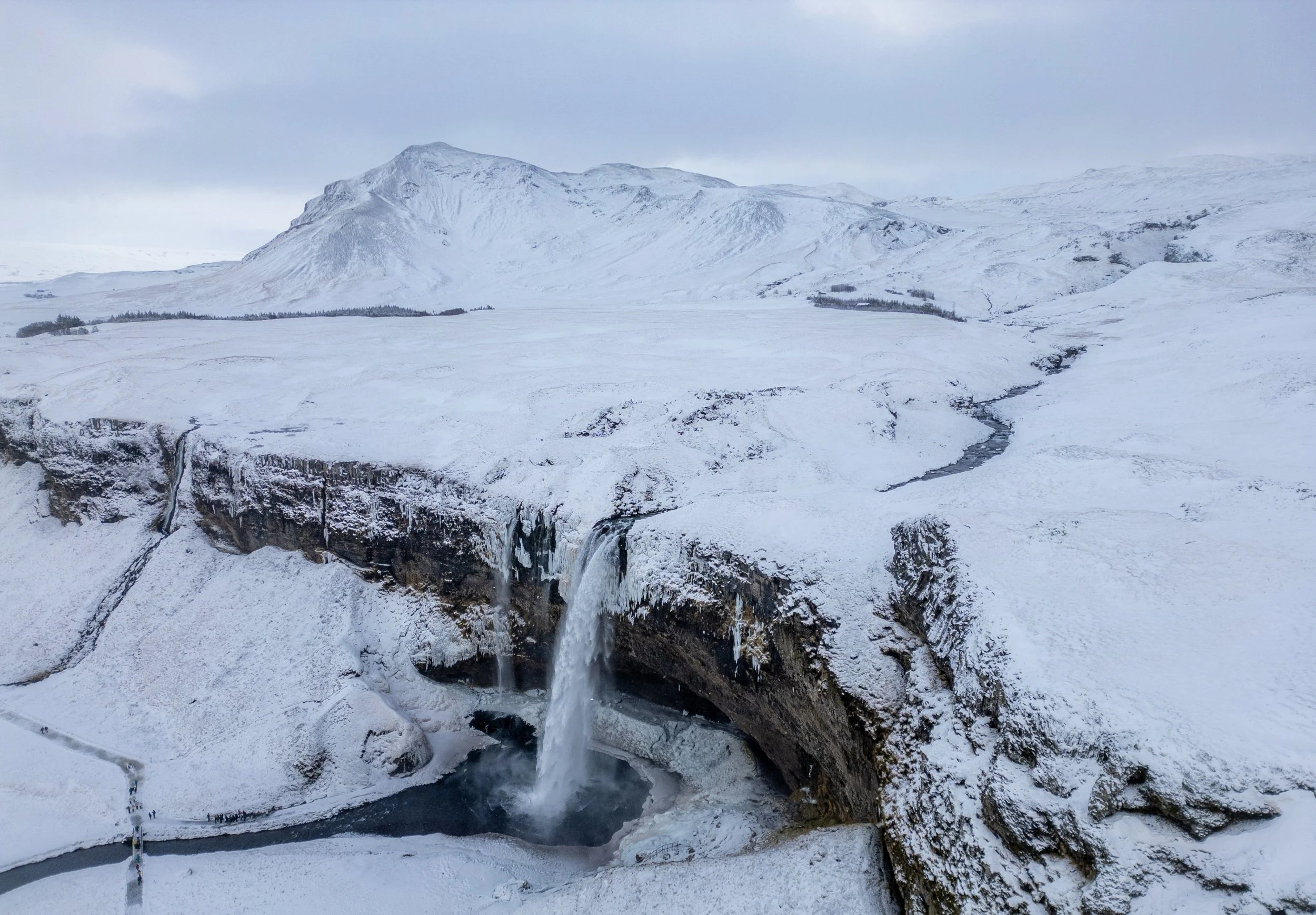
The Seljalandsfoss Waterfall is one of Iceland's most popular and photographed waterfalls. The water drops from a height of 200 feet from a cliff, originating in the Eyjafjallajökull volcanic glacier. This major tourist attraction may not look like much from the front, you can walk behind the waterfall revealing a picturesque waterscape but the day I visited it was closed off due to snow and ice as you can see from the photograph, hopefully will get a shot from behind on my next trip.
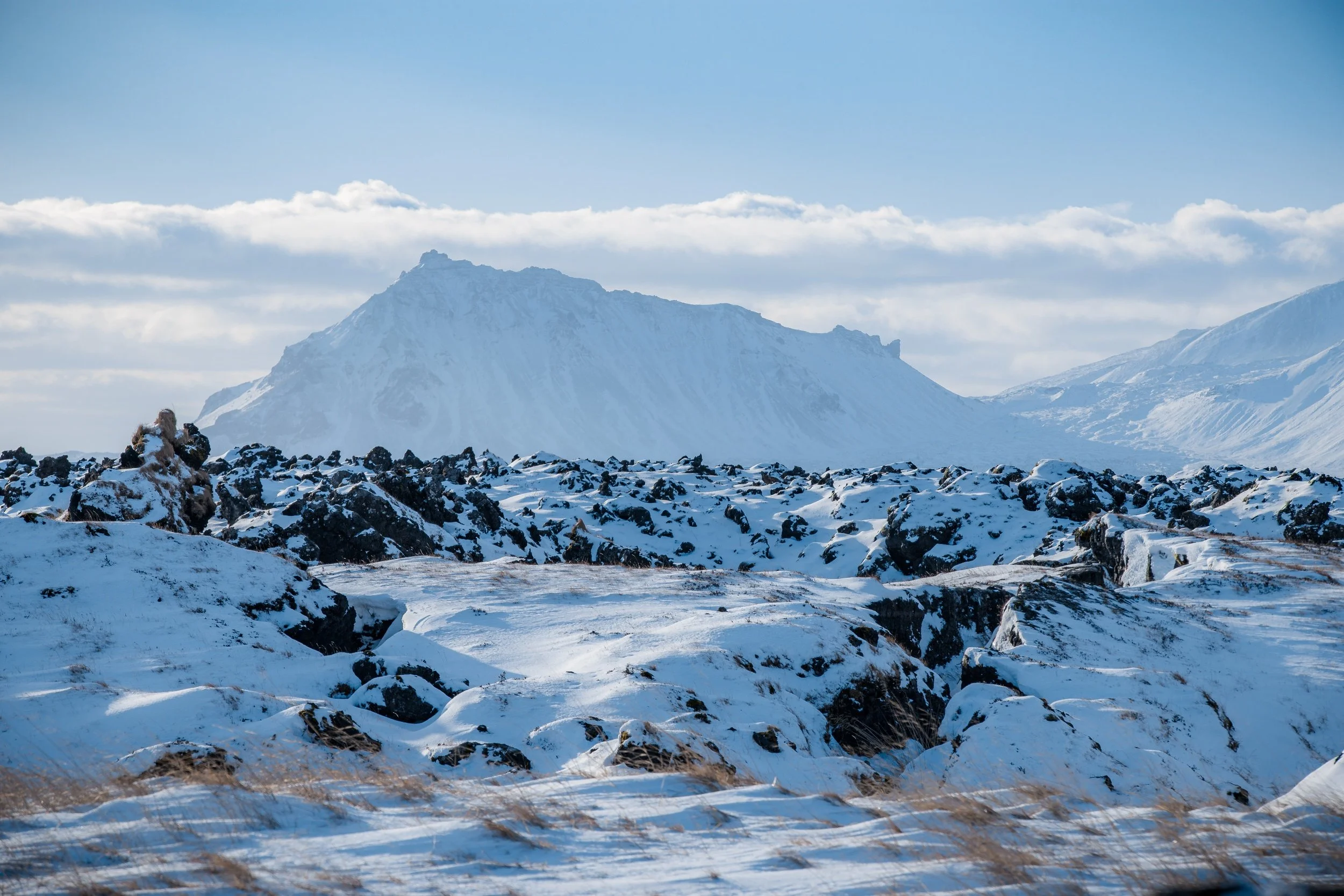
Iceland is home to several notable lava fields, each showcasing unique geological features, this one is Budahraun lava field and its known for its diverse vegetation with around 130 different plant species and its famous for Búðakirkja Black Church.
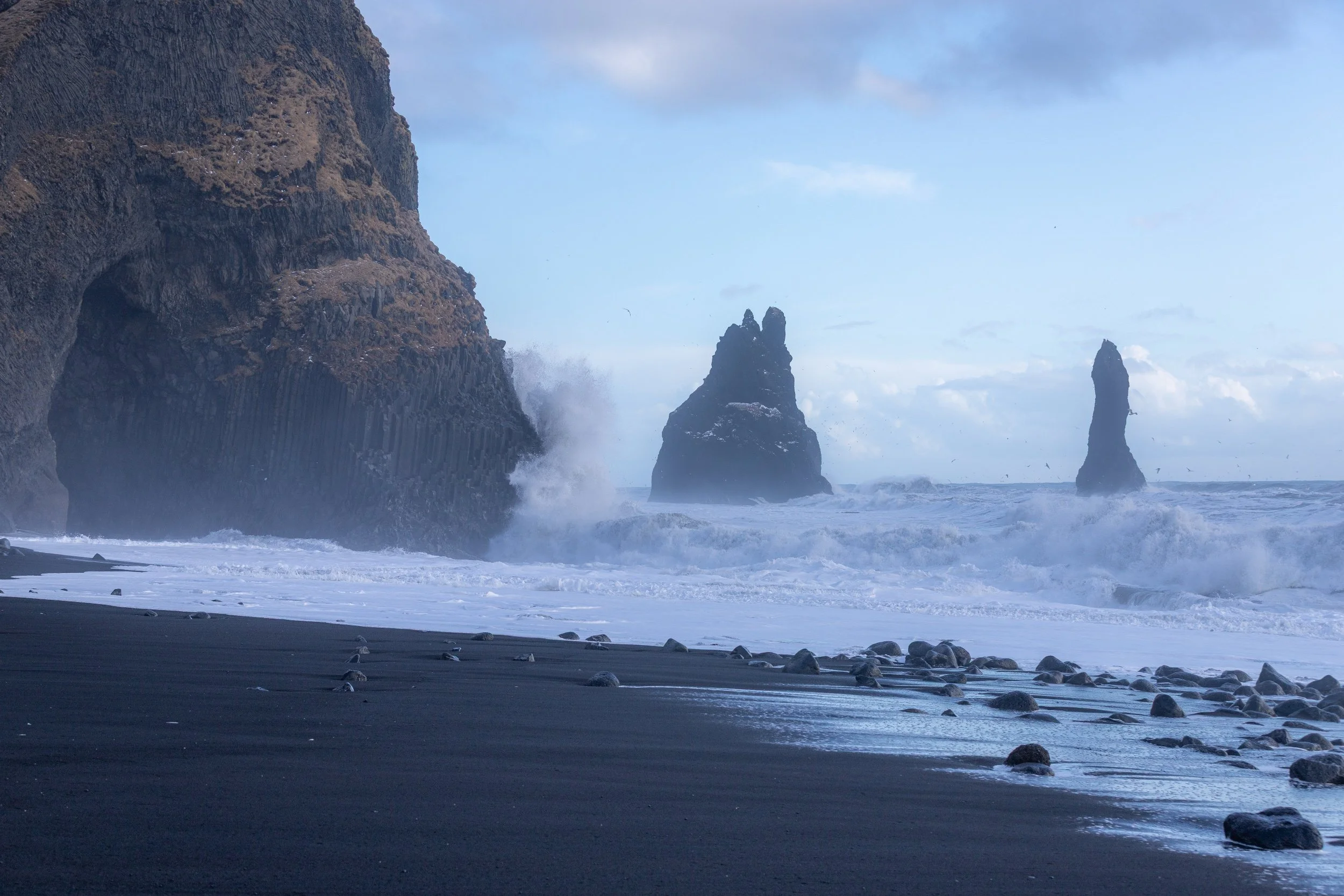
Reynisfjara Beach, is a world renowned black sand beach featuring dramatic basalt columns, sea stacks and now largley flooded basalt cave one of the most dangerous beaches in the world.
Summing Up
I loved Iceland on my first visit, the landscapes felt otherworldly, visiting in winter can be challenging but with huge snow and ice vistas can be rewarding and the weather can change in a moment.
Lava fields with there jagged tips poking through the covering of snow that showed the island’s violent past, black volcanic rock against pure white snow is dramatic. Rivers cut through those fields, feeding waterfalls that thundered over cliffs some intimate and close, others huge curtains plunging into misty ravines.
Between the big sights were quiet places and isolated bays, steaming vents, and wide skies where evening light lingered. Even in a short visit, the mix of ice, fire and changing weather left a stark, unforgettable impression.
I will be back!